What are you looking for?
Search

Phoenix Air Max: Comfort, Design, and What You Should Know Before Buying
The Phoenix Air Max sits in a category of sneakers that are not defined by hype, but by how consistently they perform in everyday use. It builds on the familiar Air Max foundation, but introduces subtle adjustments in materials and structure that change how the shoe feels over time.
For most people, the question is not what it looks like—but whether it actually holds up in daily wear.
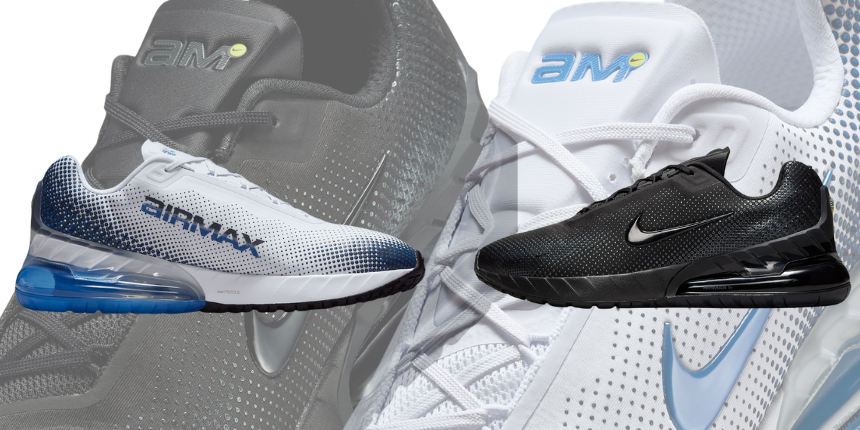
A closer look at how it is built
At its core, the Phoenix Air Max follows the standard Air Max framework. The visible cushioning remains the central feature, and the overall shape stays close to what long-time wearers will recognize.
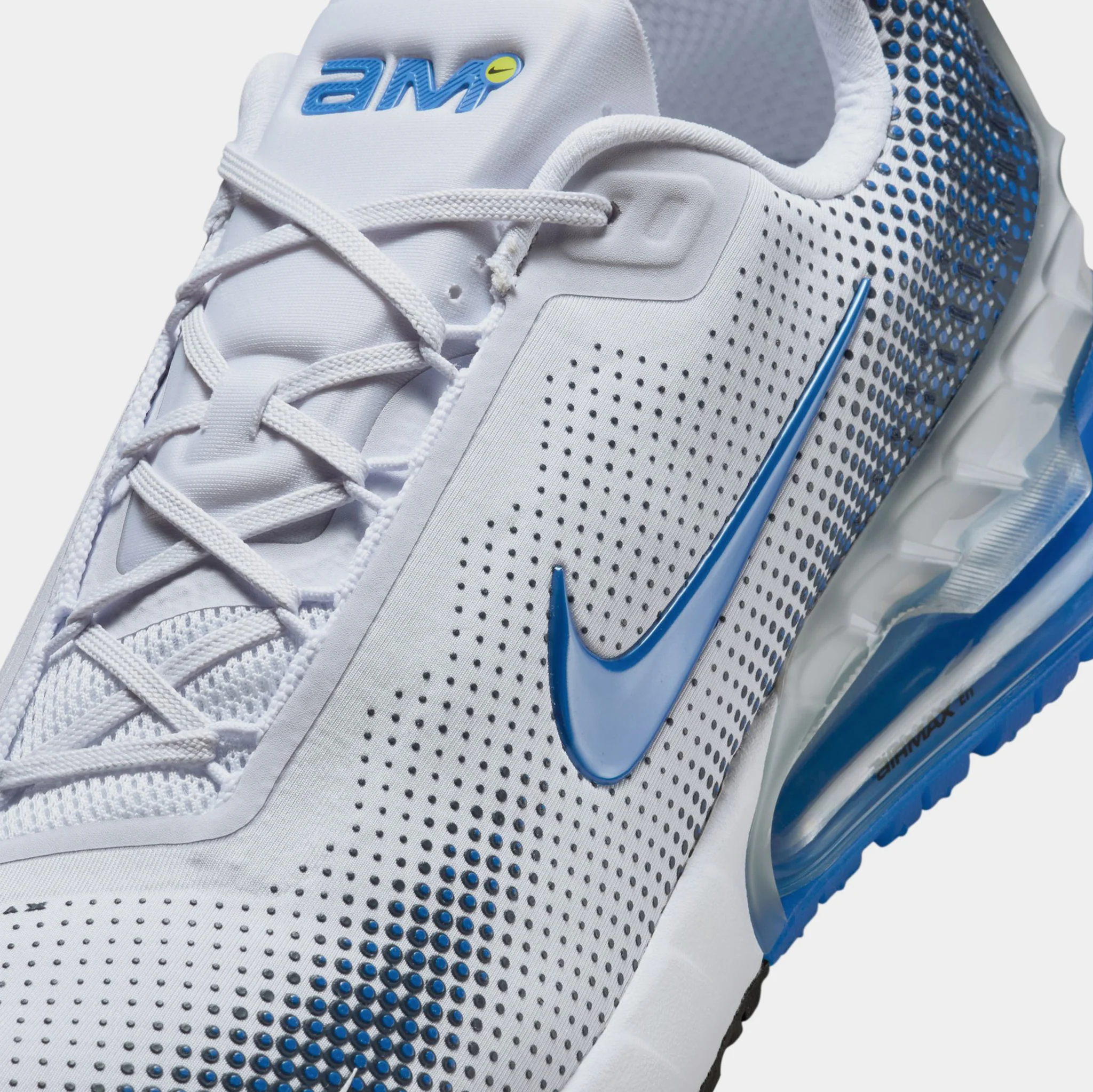
What changes is how the upper is constructed. Instead of relying on a single material layer, it uses a combination of mesh and synthetic overlays. These layers are not purely decorative—they affect breathability, support, and how the shoe adapts during movement.
Over time, the structure softens slightly, which reduces stiffness during walking. This makes the shoe feel less like a rigid build and more like something that adjusts to repeated use.
The Phoenix Air Max does not try to reinvent the Air Max identity. It refines it.
Comfort in real daily conditions
Comfort is usually where Air Max models are expected to perform well, and the Phoenix Air Max continues that standard without exaggeration.
The cushioning is noticeable, but it is not overly soft. Instead, it distributes impact in a balanced way, especially during long periods of walking or standing. This makes it more practical for daily routines than for short bursts of athletic activity.
The upper also plays a role in comfort. Because it is lighter than older constructions, it reduces pressure points across the top of the foot. After a short break-in period, the shoe begins to feel more natural in motion.
It is not designed to feel “luxury soft” at first wear. It becomes more comfortable the longer it is used.
How it fits into everyday outfits
One of the reasons the Phoenix Air Max works well in rotation is its flexibility in styling. It does not dominate an outfit, but it also does not disappear.
With simple clothing like denim, joggers, or neutral tones, it blends in without feeling plain. With more expressive outfits, it adds structure without clashing visually.
This balance makes it easy to wear repeatedly without feeling repetitive. It is not tied to a specific trend direction, which increases its long-term usability.
Who this shoe is actually for
The Phoenix Air Max is not positioned as a performance running shoe, nor is it designed as a limited collector item. It sits in the middle space where most everyday buyers operate.
It works best for people who:
- Need consistent comfort for daily walking
- Prefer sneakers that are easy to match with outfits
- Want Air Max cushioning without an overly bulky feel
- Value long-term wear over short-term hype
If the expectation is high-performance running or ultra-premium materials, this is not the intended direction. It is built for regular use, not specialized scenarios.
Price vs value perspective
When evaluating the Phoenix Air Max, the key consideration is not exclusivity, but utility over time.
It does not rely on scarcity to justify value. Instead, its value comes from how often it can realistically be worn. A shoe that fits into daily rotation naturally becomes more practical than one reserved for occasional use.
This is why it appeals more to repeat wearers than to one-time buyers.
Where it stands in the Air Max lineup
Within the broader Air Max family, the Phoenix Air Max represents a more grounded direction. It does not push extreme design experimentation, nor does it rely on retro storytelling.
Instead, it sits in a steady middle zone:
- More modern than classic retro models
- Less experimental than concept-driven releases
- More wearable than visually aggressive designs
This positioning is what makes it stable rather than trend-dependent.
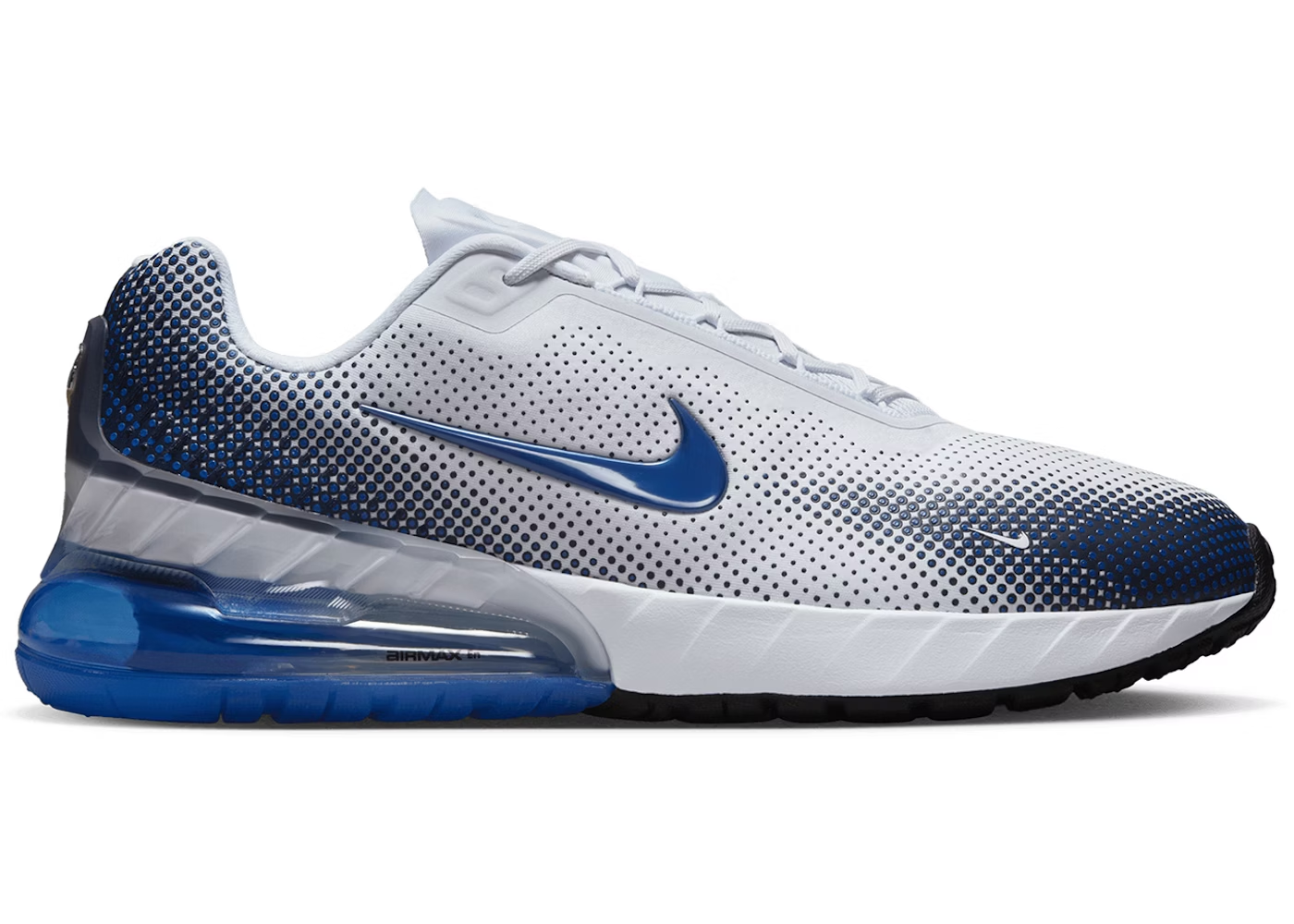
Final perspective
The Phoenix Air Max is not trying to redefine what Air Max should be. It operates within the boundaries of what already works and makes small adjustments that affect comfort, durability, and everyday usability.
For most buyers, the decision comes down to consistency. It is the kind of sneaker that does not need explanation after purchase—it simply integrates into daily rotation without friction.
That is where its value sits: not in reinvention, but in reliability over time.
